
Hemadyne: accordion-inspired perfusion for microphysiological systems
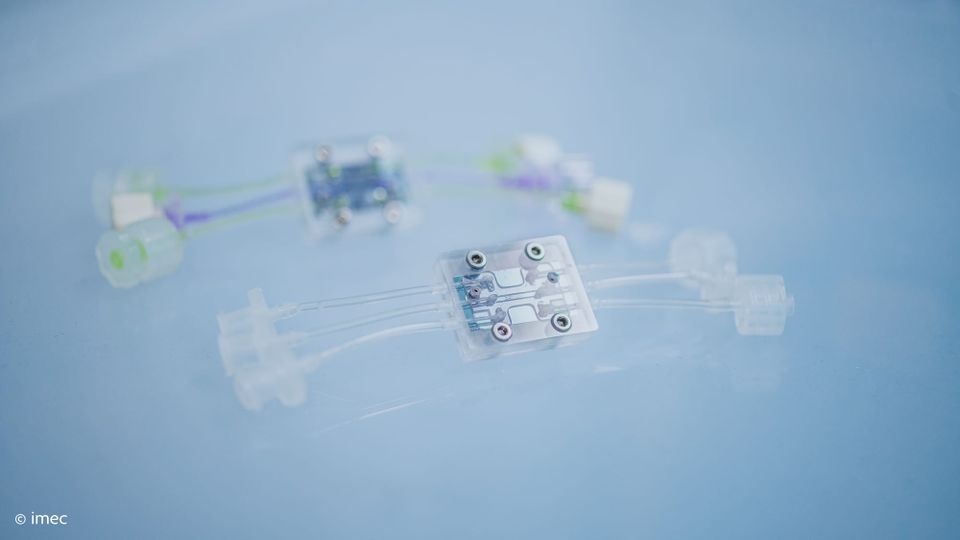
A significant leap in biomedical engineering has emerged with the introduction of "Hemadyne," an innovative system designed to enhance microphysiological systems (MPS). Published in Nature Communications, this new technology leverages an "accordion-inspired" mechanism to precisely perfuse, or circulate fluids through, miniature human organ models, promising to revolutionize *in vitro* research.
The core of Hemadyne's innovation lies in its unique accordion-like design for fluid handling. This method allows for a controlled and dynamic flow of essential nutrients and waste products within complex microenvironments. By mimicking the subtle yet crucial movements found in biological systems, Hemadyne aims to provide a more physiologically relevant environment for cells and tissues cultured on these advanced platforms.
This development is particularly critical for the growing field of organ-on-a-chip technology. Improved perfusion systems like Hemadyne are essential for maintaining the long-term viability and functional integrity of these models, which are increasingly used for drug screening, toxicology studies, and understanding disease progression. Its precise fluid control could lead to more accurate experimental outcomes and potentially reduce the reliance on animal testing.
The integration of such a sophisticated perfusion mechanism represents a substantial step forward in creating more realistic and complex human tissue models. This could accelerate the discovery of new therapies, enable personalized medicine approaches by testing drugs on patient-specific models, and deepen our fundamental understanding of human physiology and pathology.
Ultimately, Hemadyne's innovative approach promises to significantly advance the fidelity and utility of microphysiological systems, accelerating scientific breakthroughs in human health. This accordion-inspired solution opens new avenues for rigorous and reliable *in vitro* research.
Source: Original Article


Comments ()